Thousands of Winnipeg homes built during the 1960s and 1970s were wired with aluminum branch circuit wiring. At the time, aluminum was cheaper than copper and met code. The problem showed up later — aluminum expands and contracts more than copper with every heating and cooling cycle, and the connections at outlets, switches, and splices loosen over time. Loose aluminum connections corrode, overheat, and create a real fire risk.
The neighbourhoods most affected are St. James, Garden City, Fort Garry, and parts of Transcona — areas where the housing boom of that era produced thousands of homes on the same building spec. If your home was built between roughly 1965 and 1976, there’s a good chance it has aluminum wiring, and your insurer may already be asking about it.
There are two ways to deal with aluminum wiring, and the right approach depends on the condition of the wiring and your goals.
CO/ALR device replacement is the more common and more affordable option. We replace every outlet, switch, and device in the house with CO/ALR-rated devices — equipment specifically designed and approved for use with aluminum conductors. The wiring stays in the walls, but every connection point is upgraded to a device that handles aluminum safely. This satisfies most insurers and significantly reduces the overheating risk.
Full rewire replaces the aluminum wiring entirely with copper NMD90 cable. This is the more comprehensive solution — it eliminates the aluminum completely and brings the home up to current wiring standards. A full rewire makes sense when the home is being renovated (walls are already open), when the aluminum is in poor condition, or when the homeowner wants the issue gone permanently. It’s typically combined with a panel upgrade.
We start with an assessment — opening a sample of outlets and switches to check the condition of the aluminum connections. We look for signs of overheating (discoloration, melted insulation), corrosion at the terminals, and any previous repairs or modifications. That tells us whether CO/ALR remediation is sufficient or whether a rewire is the better path.
For CO/ALR work, we go through every device in the house — every outlet, every switch, every junction box — and replace it with a properly rated device. We check and re-torque every connection. The job typically takes one to two days depending on the size of the home.
For a full rewire, the scope is the same as a home rewire — new cable throughout, new circuits, new panel, and a full City of Winnipeg inspection.
Aluminum wiring remediation requires patience and attention to detail — every single connection in the house needs to be addressed, not just the ones that are easy to access. Elton has done this work in enough Garden City and St. James homes to know where the hidden junction boxes are and what to watch for.
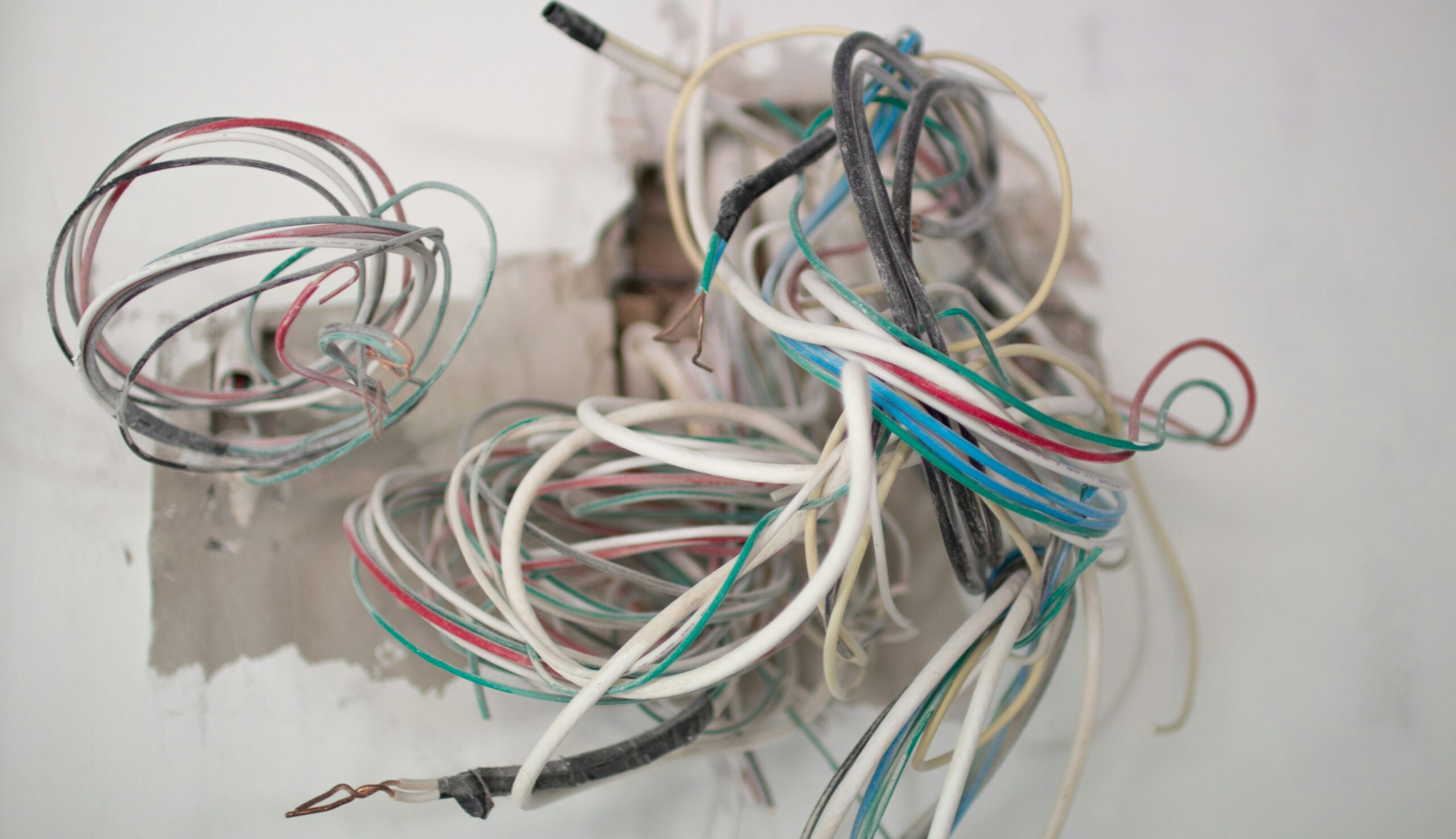
Check the cables visible in your basement or attic — aluminum wiring is typically marked “AL” or “ALUMINUM” on the cable jacket. You can also remove an outlet cover plate and look at the wire colour — aluminum is silver/grey, copper is orange/brown. If you’re not sure, we can check it during a quick assessment.
No. Aluminum wiring is not illegal and was installed to the code that was in effect when these homes were built. The concern is with the connections — particularly at original devices that weren’t rated for aluminum. Remediation with CO/ALR devices or a full rewire addresses the safety risk.
Many insurers will cover homes with aluminum wiring if it’s been remediated — either with CO/ALR devices throughout or with a full rewire. Some insurers require documentation from a licensed electrician confirming the remediation. We provide that documentation after completing the work.
A typical Winnipeg home with aluminum wiring — usually 3 bedrooms, 1 to 2 bathrooms — takes 1 to 2 days for a full CO/ALR device replacement. We replace every outlet, switch, and junction box connection in the house during that time.
If your home has aluminum wiring and your insurer is asking questions, get in touch. We’ll assess the condition and recommend the right approach — CO/ALR or rewire — based on what we actually find.
Monday – Sunday: 7:00 AM – 8:00 PM