
Winnipeg loses power. Ice storms take down lines, summer thunderstorms knock out transformers, and aging infrastructure in some neighbourhoods means outages that last hours or days. When the power goes out in January and it’s -30°C outside, you’re not just losing lights — you’re losing heat, sump pumps, and the ability to keep your pipes from freezing. A properly installed generator keeps your home or business running when the grid doesn’t.
Sparxx Electrical installs generators and transfer switches for properties in Headingley, Stonewall, and across Winnipeg and the surrounding area. We handle the electrical side — sizing the system, installing the transfer switch, wiring the generator connection, and making sure the critical circuits get power when you need it.
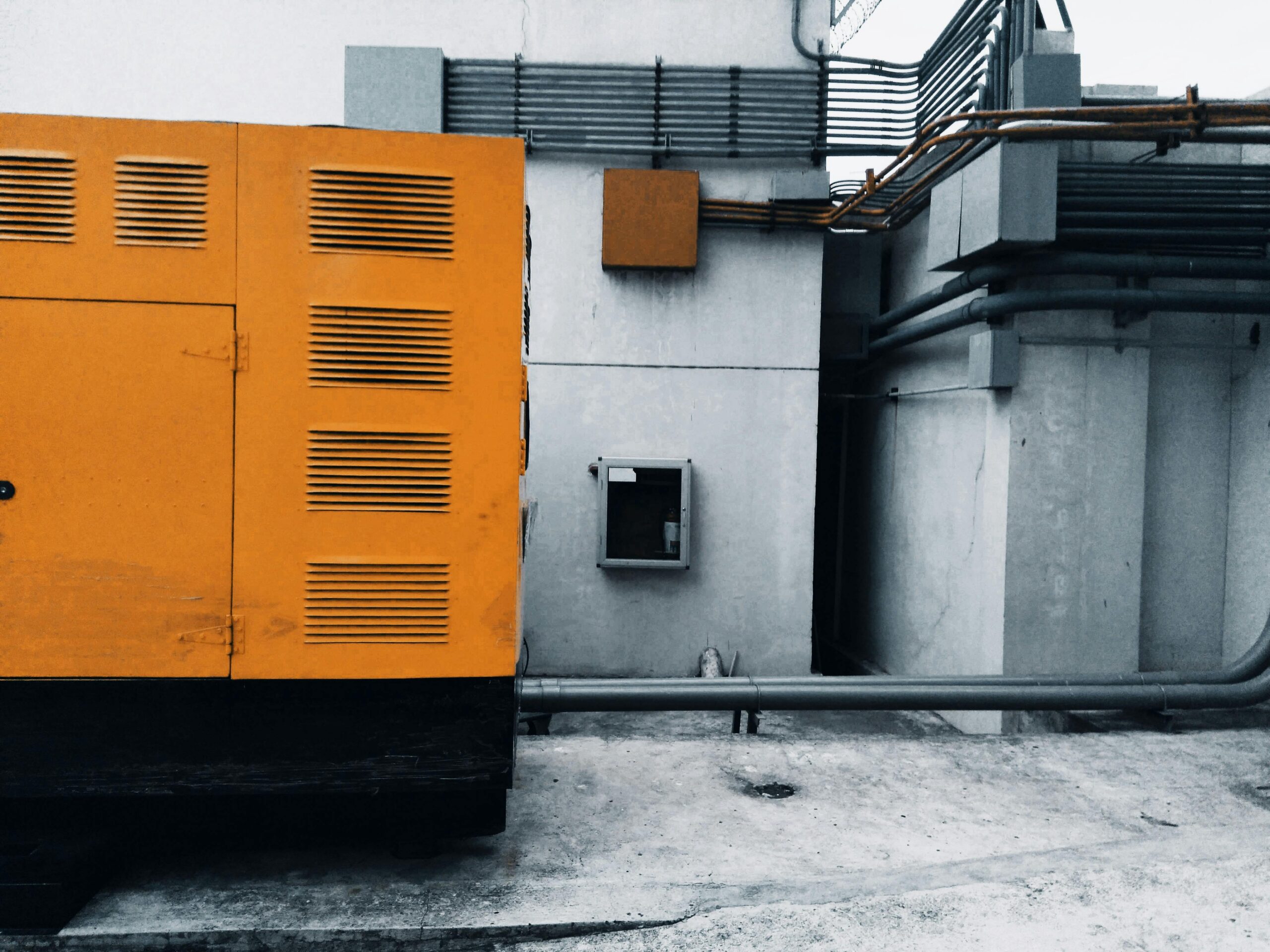
A standby generator is permanently installed outside your home and starts automatically when the power goes out. It connects to your electrical panel through an automatic transfer switch that detects the outage, starts the generator, and transfers your circuits — all within seconds. When utility power comes back, the transfer switch reverses the process.
A portable generator hookup is more affordable but requires manual intervention. We install a manual transfer switch and an outdoor inlet box on your home. When the power goes out, you wheel the generator out, plug it in, and flip the transfer switch to send power to your selected circuits. It’s a practical option for homeowners who want backup power without the cost of a permanent standby unit.
Both options require a transfer switch — this is non-negotiable. Connecting a generator to your home without a transfer switch creates a backfeed hazard that can electrocute Manitoba Hydro line workers trying to restore power on your street.
We start by identifying which circuits you need to keep running during an outage — furnace, sump pump, fridge, freezer, well pump, lights, and any other essentials. From there, we calculate the total load and recommend a generator size that can handle it with headroom. Oversizing slightly is better than undersizing — a generator running at 75% load lasts longer and runs more efficiently than one pinned at 100%.
The installation includes the transfer switch, the wiring from the switch to the panel, and the generator connection point. For standby units, we also handle the concrete pad, gas line coordination, and outdoor mounting. All work is permitted through the City of Winnipeg.
Generator installations involve both high-voltage panel work and careful load calculations. Elton handles the entire scope — from sizing the system to pulling the permit — with the technical skills of a Red Seal journeyman electrician.
A typical Winnipeg home running a furnace fan, sump pump, fridge, freezer, and some lights needs a generator in the 7,500 to 12,000 watt range for a portable hookup. A whole-house standby generator is typically 16 to 22 kW. We calculate the exact load based on your specific circuits and equipment.
No — never do this. Plugging a generator into a wall outlet without a transfer switch sends power back through the panel and into the utility lines, creating a lethal backfeed hazard for hydro workers. A transfer switch isolates your home from the grid before the generator power enters your panel. It’s required by code and by common sense.
Yes. A transfer switch installation requires a City of Winnipeg electrical permit. We handle the permit and inspection process.
Most standby generators detect the outage and start transferring power within 10 to 30 seconds. You may notice a brief flicker as the transfer switch activates, but your critical circuits come back on almost immediately.
If you’ve gone through one Manitoba power outage too many, get in touch. We’ll size a generator setup that keeps your home or business running when the grid goes down.
Monday – Sunday: 7:00 AM – 8:00 PM