
Manitoba’s building code requires smoke detectors on every floor and outside every sleeping area. Carbon monoxide detectors are required if the home has any fuel-burning appliance — furnace, water heater, gas stove, or an attached garage. In practice, that means almost every home in Winnipeg needs both. And while battery-powered units satisfy the minimum, hardwired and interconnected detectors are the standard every electrician recommends — because when one goes off, they all go off, and you hear the alarm no matter where you are in the house.
Sparxx Electrical installs hardwired smoke and CO detector systems in homes across Winnipeg. We wire them into dedicated circuits, interconnect them so they trigger together, and install them in the locations required by code. It’s one of the simpler electrical jobs we do, but it’s one of the most important.
Battery-only smoke detectors are better than nothing, but they fail quietly. When the battery dies, the chirping annoys you until you pull the battery out — and then the detector is useless. Hardwired detectors draw power from a circuit and have a battery backup for outages. More importantly, hardwired units can be interconnected — when one detects smoke in the basement, every detector in the house alarms simultaneously.
In Winnipeg, where furnaces run for six months straight and windows stay sealed from October to April, carbon monoxide detection is critical. A cracked heat exchanger or a blocked exhaust vent can fill a sealed-up house with CO before anyone notices. Hardwired CO detectors near sleeping areas and on every level of the home catch it early.
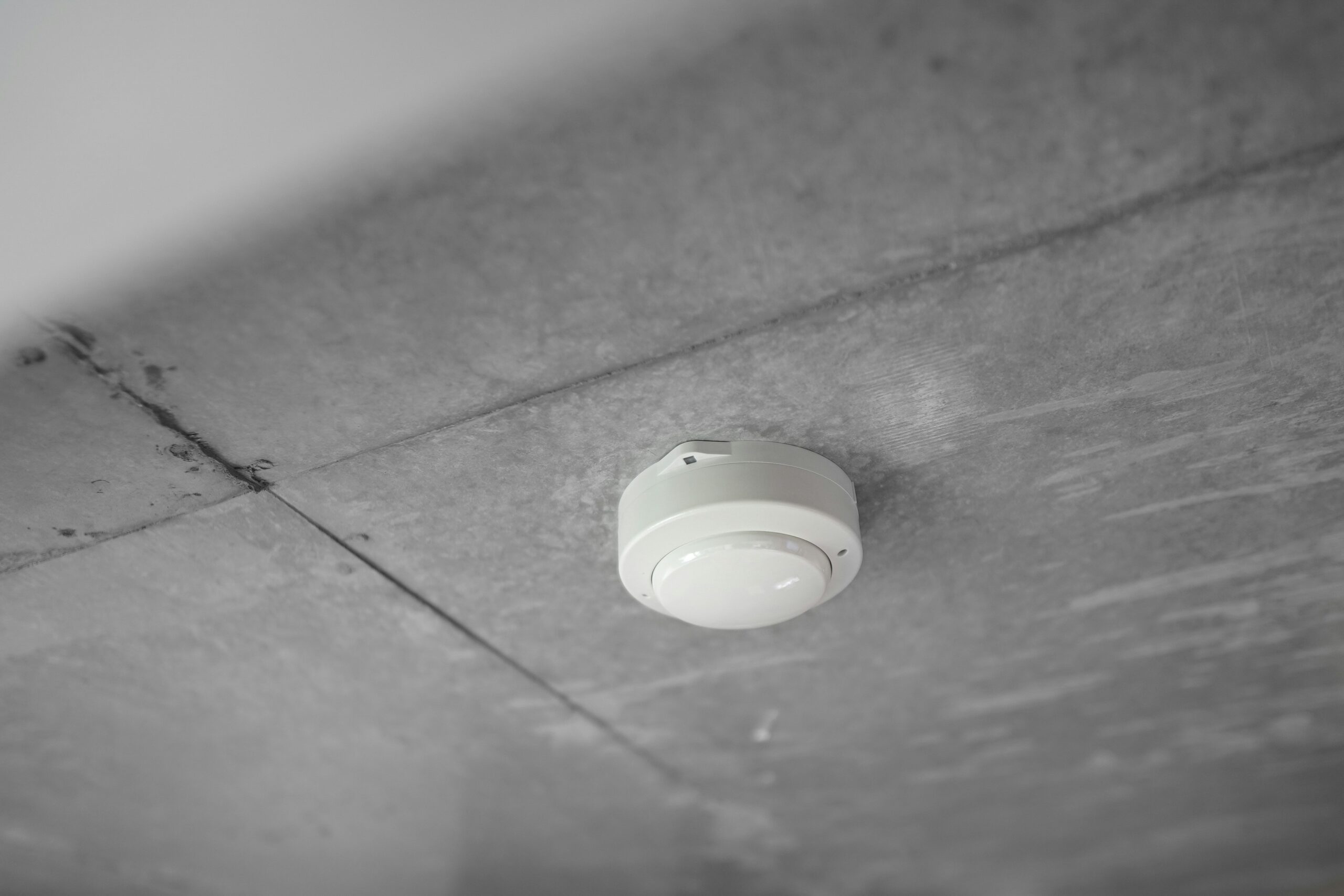
We install combination smoke and CO detectors — units that detect both smoke and carbon monoxide in a single device. They mount on the ceiling, wire into a circuit, and interconnect with every other detector in the house. We install them in every location required by Manitoba code: every floor, outside every bedroom, in the basement, and near fuel-burning appliances.
For homes already undergoing a rewire or a panel upgrade, adding hardwired detectors to the scope is straightforward and cost-effective. For homes with existing wiring, we can fish new cable to each detector location without major disruption.
Detector installation is quick work for a licensed electrician, but getting the locations right and making sure the interconnection works matters. Elton installs them to code every time — not just where the previous homeowner stuck them.
Manitoba code requires at least one smoke detector on every floor including the basement, and one outside every sleeping area. A typical Winnipeg bungalow needs a minimum of 3 to 4 detectors. We install them in every required location and add CO detection where fuel-burning appliances are present.
Yes. We run new wiring to each detector location and replace the battery-only units with hardwired, interconnected detectors. In most homes, the cable can be fished through the attic and walls with minimal patching.
Smoke detectors should be replaced every 10 years, and CO detectors every 7 to 10 years, regardless of whether they’re battery or hardwired. The sensors degrade over time and become less sensitive. The manufacture date is printed on the back of the unit.
If your home has any fuel-burning appliance — which includes almost every Winnipeg home with a natural gas furnace, gas water heater, or attached garage — you need CO detectors. We recommend combination smoke and CO units to cover both requirements with a single device at each location.
If your smoke and CO detectors are battery-only, missing, or past their replacement date, get in touch. This is one of the fastest and most impactful electrical upgrades you can make.
Monday – Sunday: 7:00 AM – 8:00 PM