
On this page
A Manitoba home needs a smoke alarm in every bedroom and on every level of the house, including the basement, plus a carbon monoxide alarm if the home has any fuel-burning appliance or an attached garage. For an existing home, sealed 10-year battery alarms meet the requirement. New construction has to be hard-wired and interconnected so that when one alarm sounds, they all do.
That is the short version of what the Manitoba Fire Code and Building Code ask for. The longer version, including where the alarms go, the difference between smoke and carbon monoxide alarms, and when you need an electrician rather than a hardware-store battery unit, is below.
| Alarm | Where it is required | Power |
|---|---|---|
| Smoke alarm | In each bedroom and on every level, including the basement | Sealed 10-year battery or hard-wired, with hard-wiring and interconnection required in new builds |
| Carbon monoxide alarm | Near the sleeping areas, in homes with a fuel-burning appliance or an attached garage | Battery or hard-wired, with hard-wiring required in new builds |
How many smoke detectors does your home need?
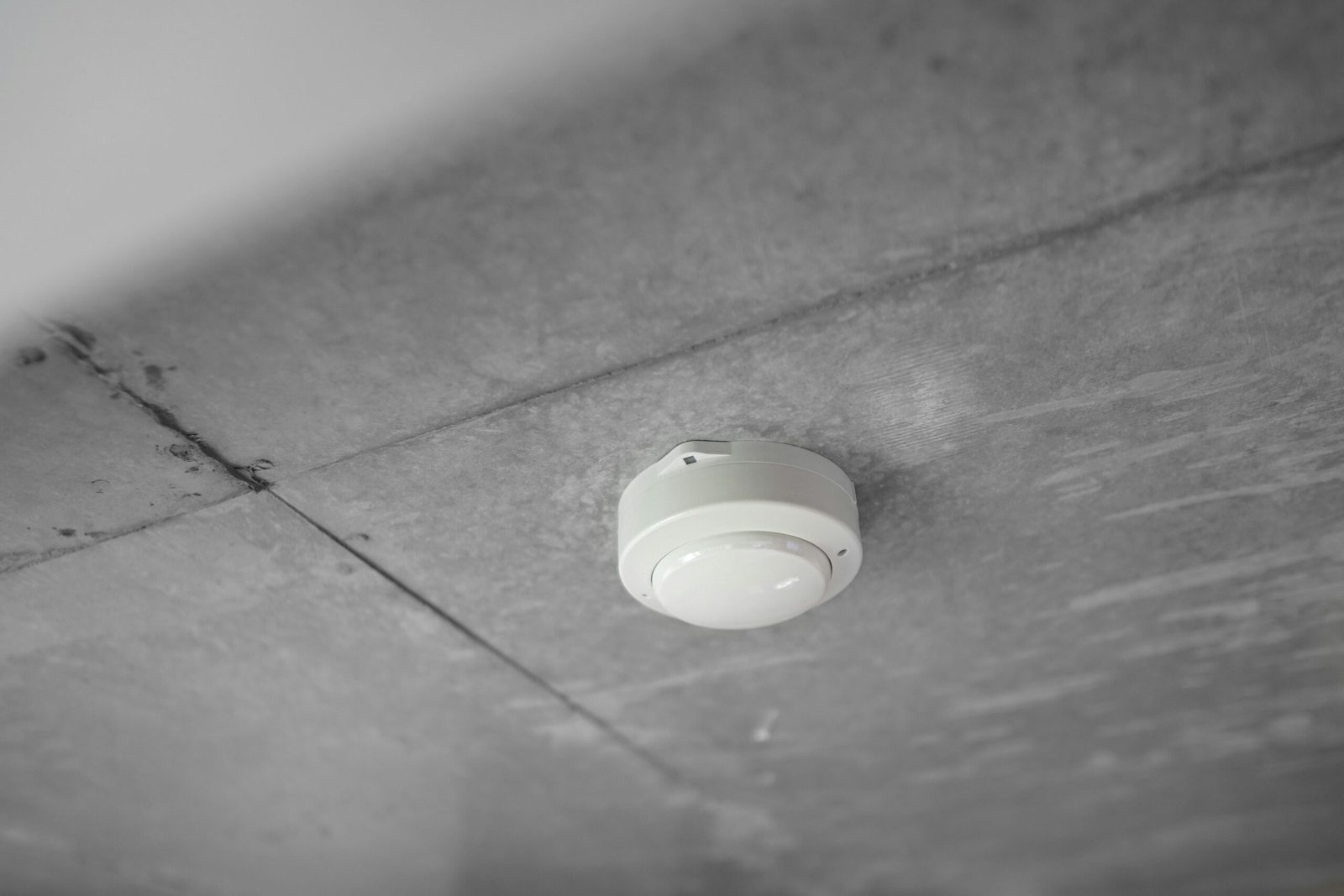
At a minimum, you need a smoke alarm inside every bedroom and one on every level of the home, including the basement. The Manitoba Fire Code ties this to the Building Code, which is met by having an alarm in each sleeping room and in each floor area near the way out. In practice that means a three-bedroom, two-storey home with a basement usually needs at least five smoke alarms, one in each bedroom plus one on each level.
The hallway outside the bedrooms is the single most important spot, because it catches smoke heading toward where people sleep. The Winnipeg Fire Paramedic Service recommends a working alarm up high between the bedrooms and the living area, and suggests using both ionization and photoelectric sensors, or a combination unit, so you are covered for both fast flames and slow, smouldering fires.
Does your home need a carbon monoxide detector?
Your home needs a carbon monoxide alarm if it has a fuel-burning appliance or an attached garage. That covers most Winnipeg homes, since a natural-gas furnace, a gas water heater, a gas range, a fireplace, or a car warming up in an attached garage can all produce carbon monoxide. The alarm goes near the sleeping areas, where it will wake someone if levels climb overnight.
Carbon monoxide is colourless and odourless, so an alarm is the only way to detect it, which is why the Manitoba Office of the Fire Commissioner requires carbon monoxide alarms to be hard-wired in all new buildings. Even an all-electric home is worth protecting if it has an attached garage, since that is a common source. The only homes that genuinely do not need one are all-electric homes with no attached garage and no fuel-burning appliance anywhere.
Do smoke and CO alarms have to be hard-wired?
In an existing home, no, a sealed 10-year battery alarm meets the requirement, and it is the simplest way to bring an older home up to standard. The Manitoba Fire Code allows battery-operated alarms as long as the battery is a 10-year type, which removes the yearly battery change that people forget.
New construction is different. New homes have to be hard-wired and interconnected, meaning the alarms run on house power with a battery backup and are linked together so that one alarm sounding sets off all of them. That interconnection is the part that saves lives in a larger home, since an alarm in the basement is no use if it cannot be heard in an upstairs bedroom. Hard-wiring and interconnecting alarms is electrical work, and it is the main reason a homeowner brings in an electrician for this, whether for a new build, a renovation, or an upgrade from scattered battery units to a proper interconnected system.
How to keep your alarms doing their job
Alarms only protect you if they work, so a few habits matter as much as having them installed. Test every alarm monthly with the test button, and replace any alarm that is more than about 10 years old, since the sensors wear out even if the unit still chirps. On a battery unit that is not a sealed 10-year type, change the battery once a year. If you rent, installing and maintaining the alarms is your landlord’s responsibility under Winnipeg’s fire prevention by-law, but it is worth confirming they are there and working.
When we install hard-wired and interconnected alarms in homes around Fort Garry and North Kildonan, it is often as part of a larger job, a panel upgrade, a basement development, or a renovation where the walls are already open. If you are having other electrical work done, it is a good time to add proper alarms, and an electrical inspection will flag whether your current setup meets the requirement.
Frequently asked questions
How many smoke detectors does my home need?
At a minimum, one in each bedroom and one on every level of the home, including the basement. A typical three-bedroom, two-storey home with a basement needs at least five. The hallway outside the bedrooms is the most important location, since it catches smoke moving toward where people sleep.
Where are smoke alarms required in Manitoba?
The Manitoba Fire Code, through the Building Code, requires a smoke alarm in each sleeping room and in each floor area near the exit, which means every level of the home including the basement. New construction must have them hard-wired and interconnected, while existing homes can use sealed 10-year battery alarms.
Does my home need a carbon monoxide detector?
Yes, if your home has a fuel-burning appliance, such as a gas furnace, gas water heater, gas range, or fireplace, or an attached garage. The alarm should be located near the sleeping areas. Carbon monoxide is odourless, so an alarm is the only reliable way to detect it, and most Winnipeg homes with gas heat fall under this requirement.
Do smoke alarms need to be hard-wired?
Only in new construction, which must have hard-wired, interconnected alarms. In an existing home, sealed 10-year battery alarms meet the Manitoba requirement. Many homeowners still choose to hard-wire and interconnect alarms during a renovation or panel upgrade, because interconnected alarms all sound together and give earlier warning.
How often should you replace smoke and CO alarms?
Replace smoke and carbon monoxide alarms about every 10 years, because the sensors degrade over time even when the unit still powers on. Test each alarm monthly, and on any unit that is not a sealed 10-year battery type, change the battery once a year. A chirping alarm usually means a low battery or that the unit has reached the end of its life.
Get your home properly protected
If you want hard-wired, interconnected alarms or just want to know your home meets the requirement, we can install them and make sure they are placed correctly. Learn more about our smoke and CO detector installation service.
{ “@context”: “https://schema.org”, “@type”: “FAQPage”, “mainEntity”: [ { “@type”: “Question”, “name”: “How many smoke detectors does my home need?”, “acceptedAnswer”: { “@type”: “Answer”, “text”: “At a minimum, one in each bedroom and one on every level of the home, including the basement. A typical three-bedroom, two-storey home with a basement needs at least five. The hallway outside the bedrooms is the most important location, since it catches smoke moving toward where people sleep.” } }, { “@type”: “Question”, “name”: “Where are smoke alarms required in Manitoba?”, “acceptedAnswer”: { “@type”: “Answer”, “text”: “The Manitoba Fire Code, through the Building Code, requires a smoke alarm in each sleeping room and in each floor area near the exit, which means every level of the home including the basement. New construction must have them hard-wired and interconnected, while existing homes can use sealed 10-year battery alarms.” } }, { “@type”: “Question”, “name”: “Does my home need a carbon monoxide detector?”, “acceptedAnswer”: { “@type”: “Answer”, “text”: “Yes, if your home has a fuel-burning appliance, such as a gas furnace, gas water heater, gas range, or fireplace, or an attached garage. The alarm should be located near the sleeping areas. Carbon monoxide is odourless, so an alarm is the only reliable way to detect it, and most Winnipeg homes with gas heat fall under this requirement.” } }, { “@type”: “Question”, “name”: “Do smoke alarms need to be hard-wired?”, “acceptedAnswer”: { “@type”: “Answer”, “text”: “Only in new construction, which must have hard-wired, interconnected alarms. In an existing home, sealed 10-year battery alarms meet the Manitoba requirement. Many homeowners still choose to hard-wire and interconnect alarms during a renovation or panel upgrade, because interconnected alarms all sound together and give earlier warning.” } }, { “@type”: “Question”, “name”: “How often should you replace smoke and CO alarms?”, “acceptedAnswer”: { “@type”: “Answer”, “text”: “Replace smoke and carbon monoxide alarms about every 10 years, because the sensors degrade over time even when the unit still powers on. Test each alarm monthly, and on any unit that is not a sealed 10-year battery type, change the battery once a year. A chirping alarm usually means a low battery or that the unit has reached the end of its life.” } } ] }